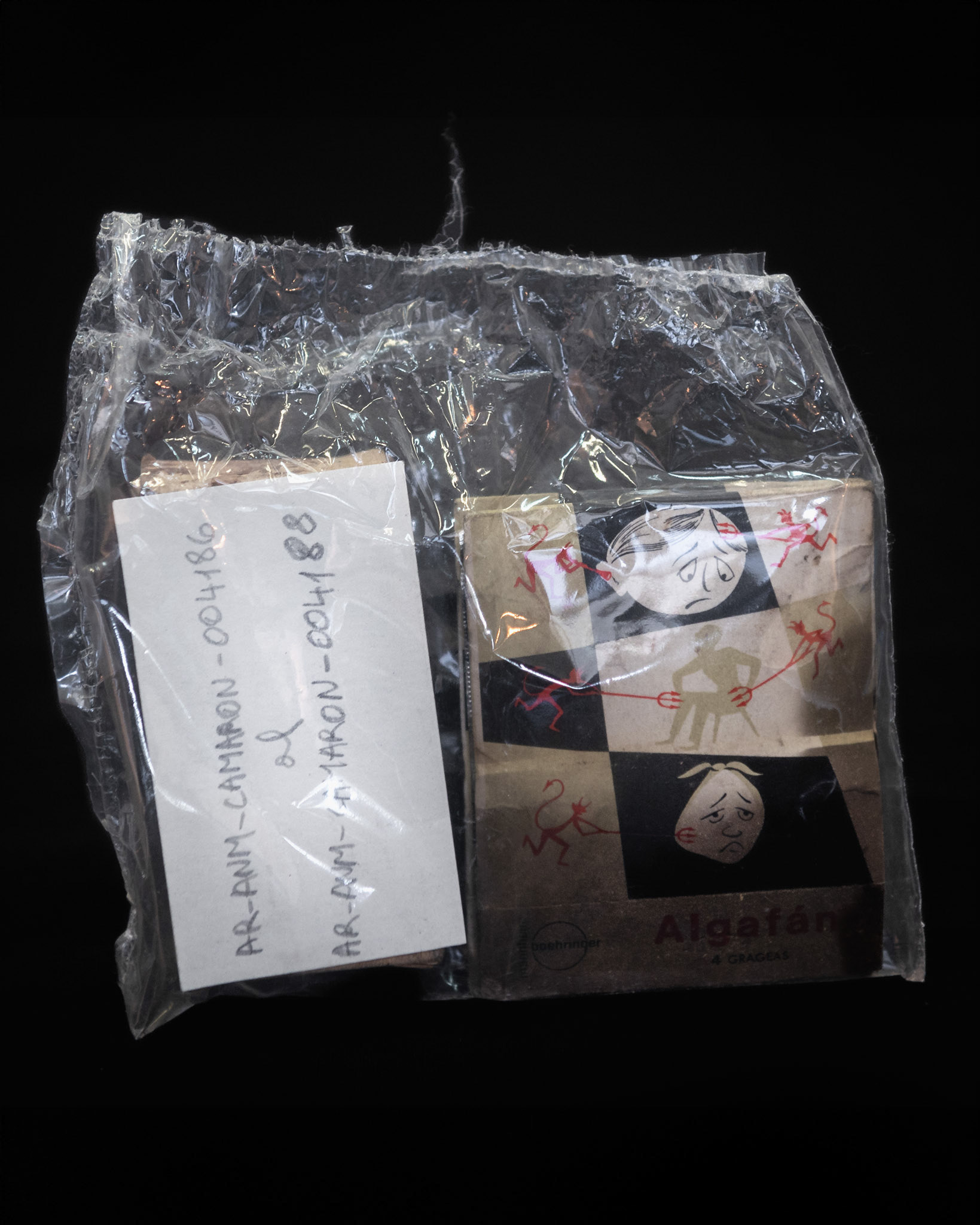
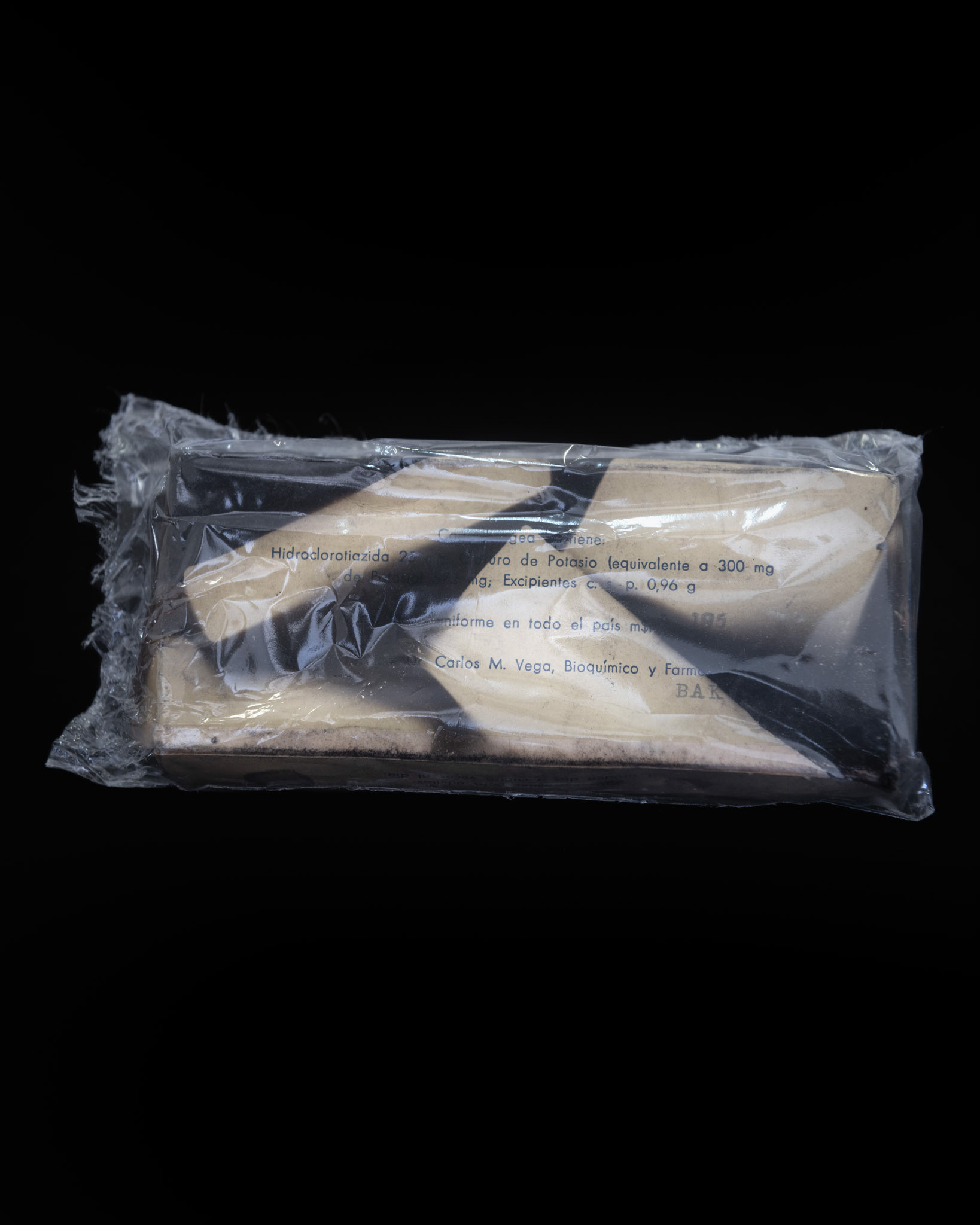
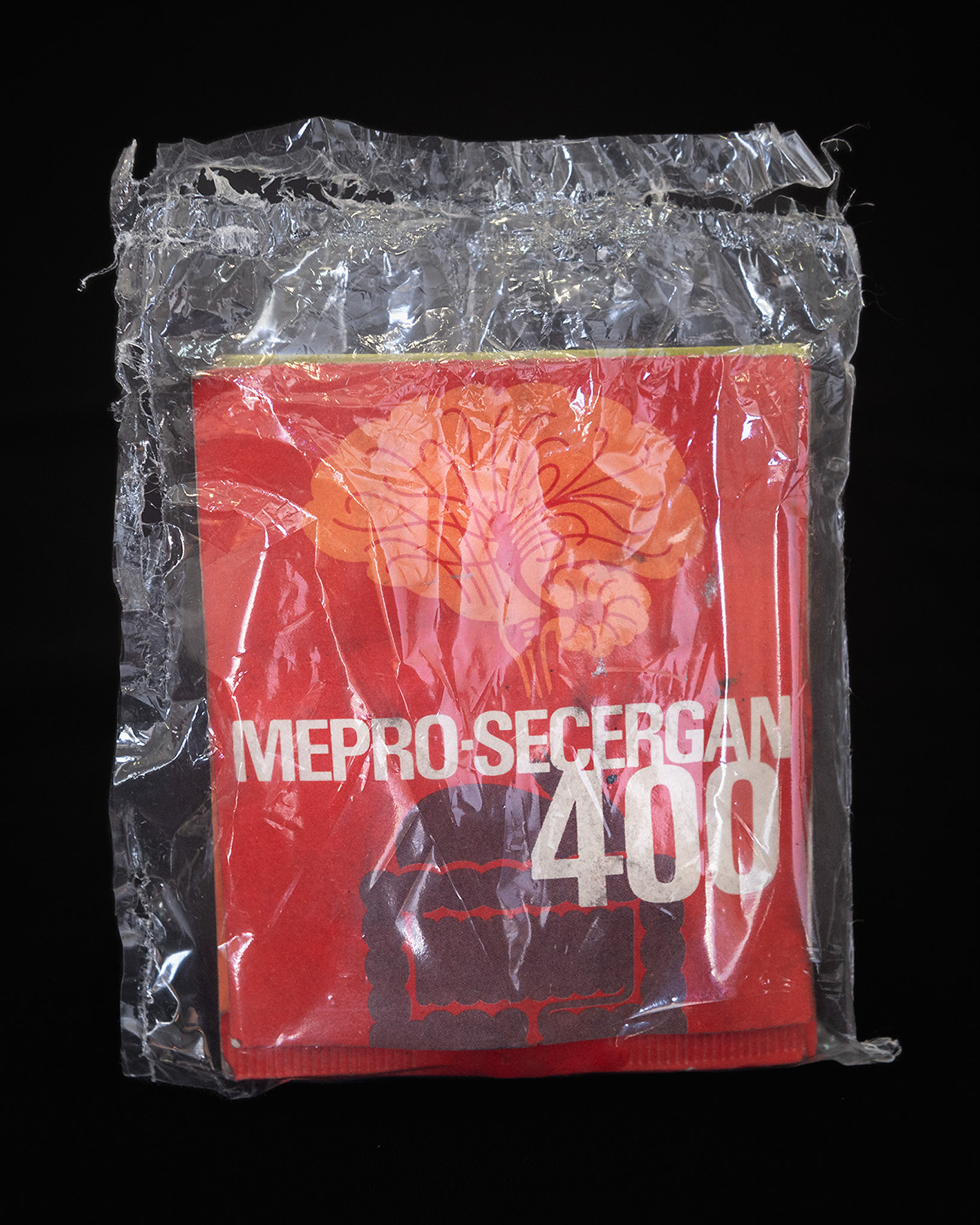
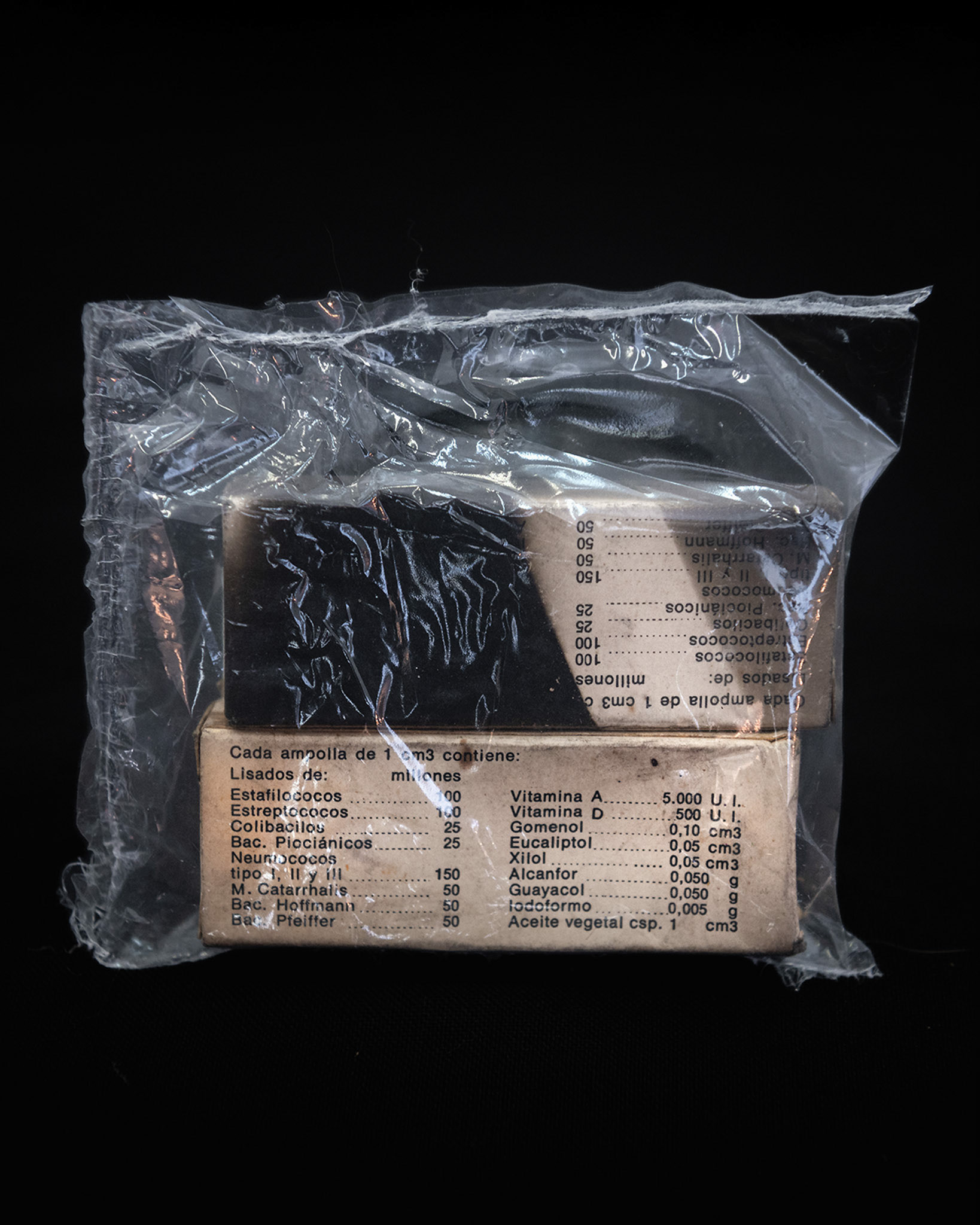
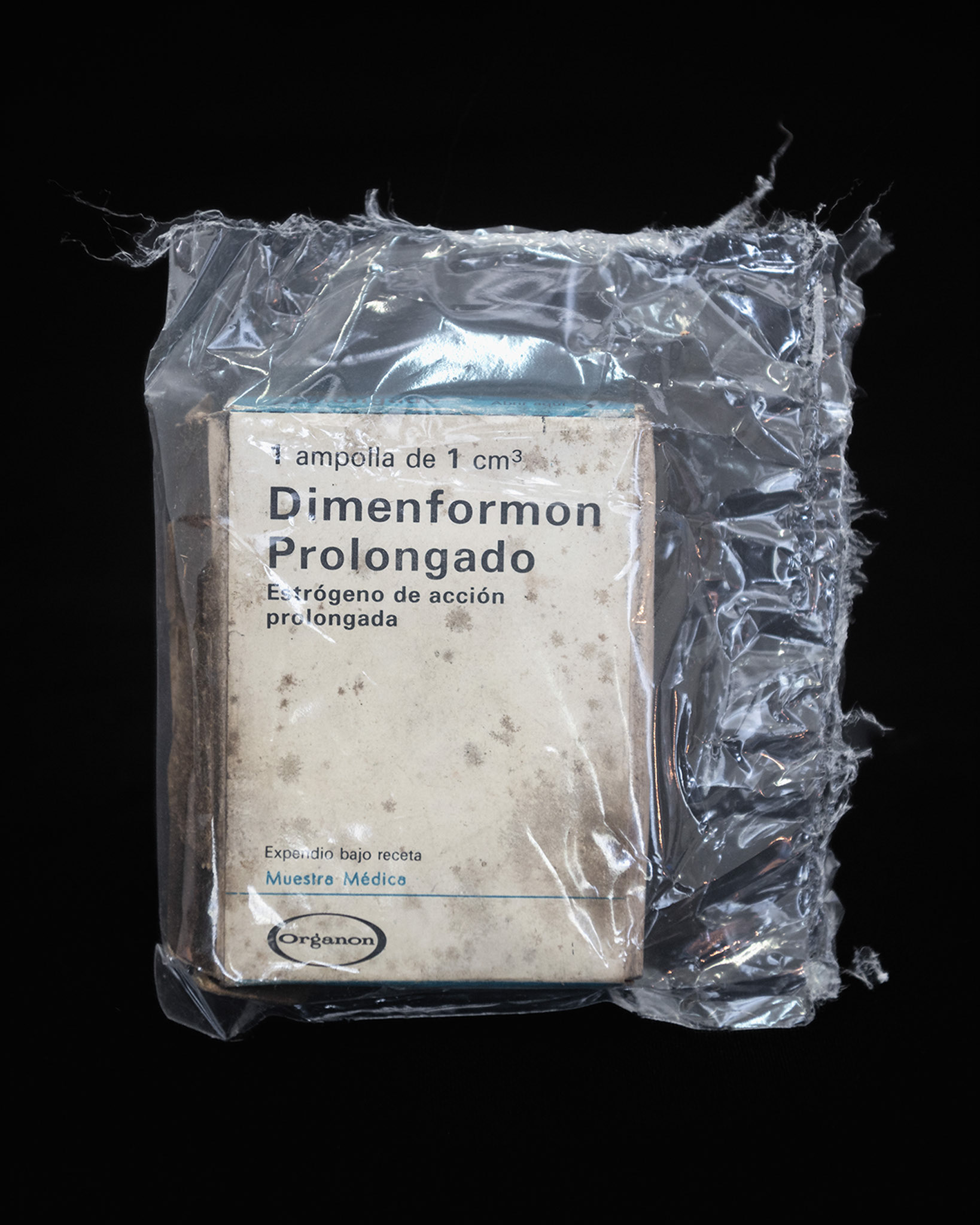

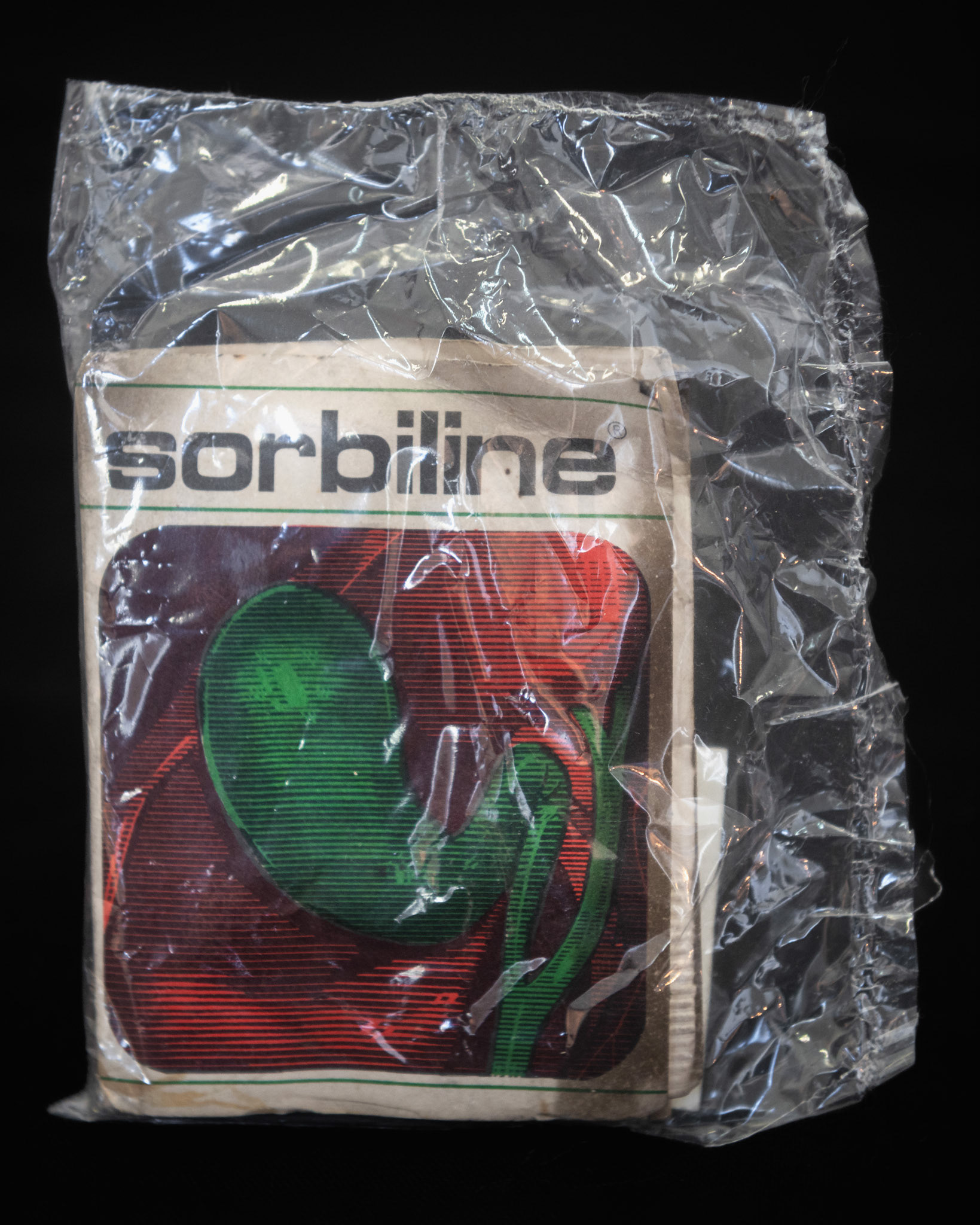
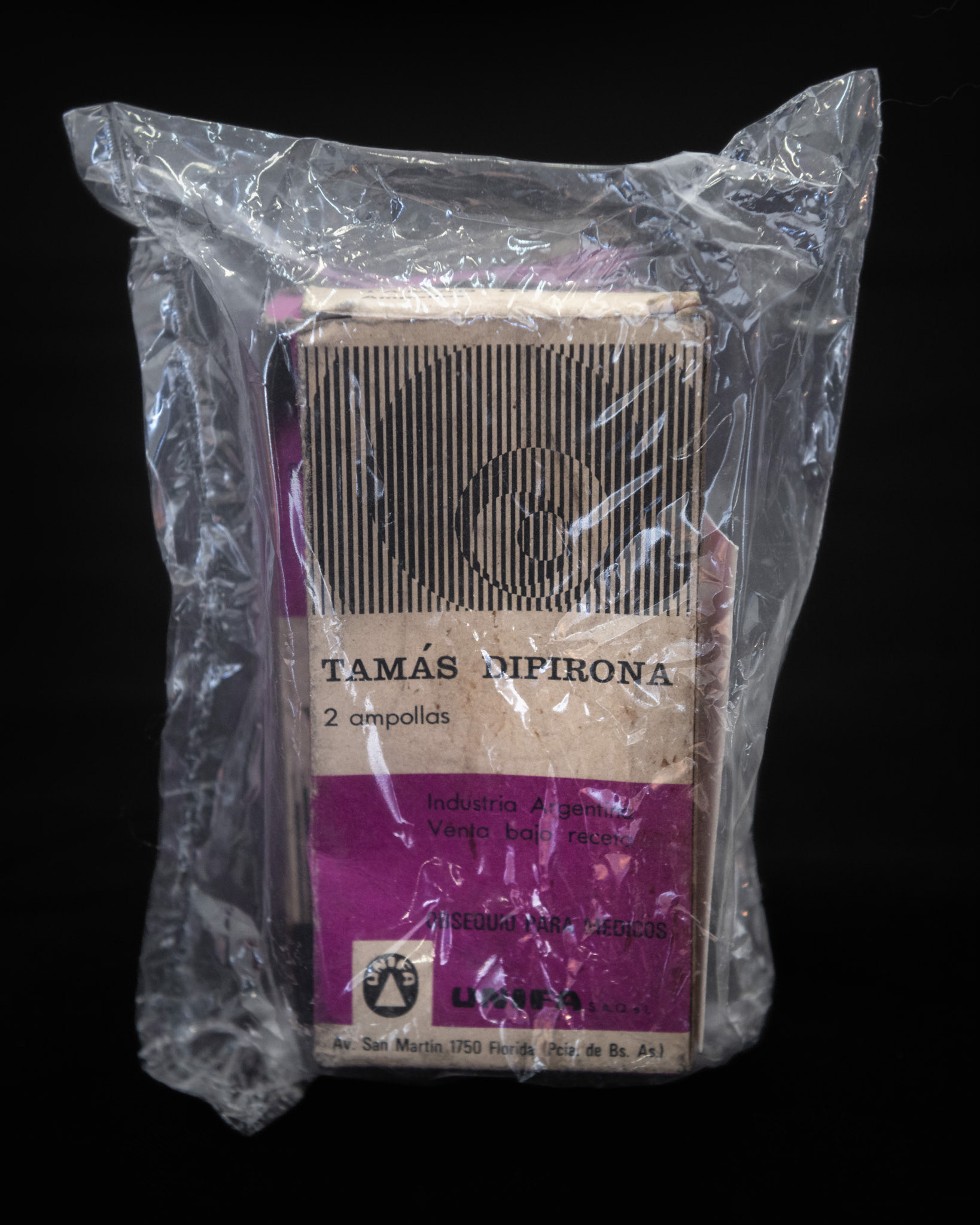
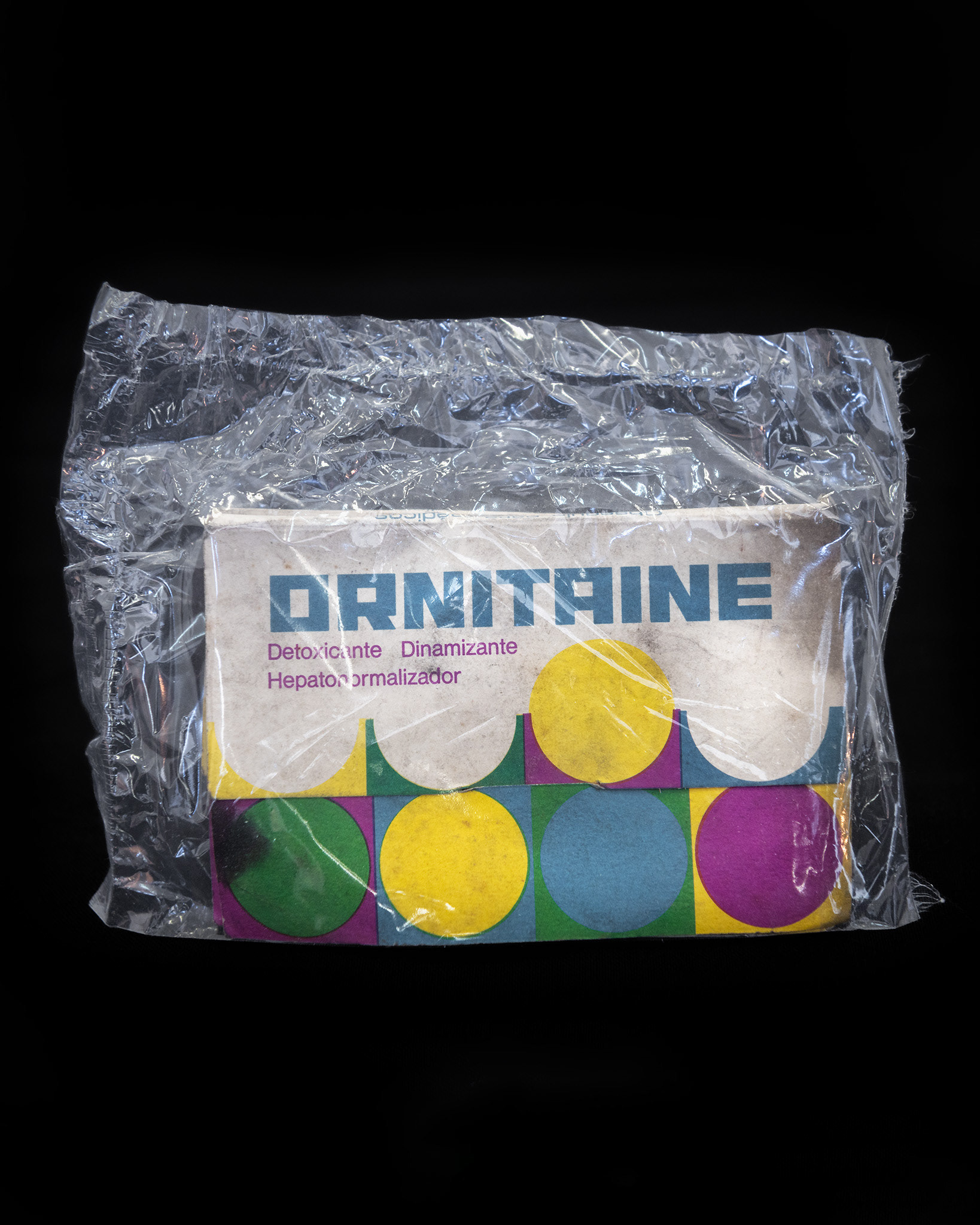
What happens when access to public healthcare is restricted? In this research project we conducted in collaboration with the AGM (Archivo General de la Memoria) in 2023, we worked with an archive of medical supplies, pharmaceuticals, and medications that shed light on a chapter of Argentina’s political and social history in the 60s and 70s. This catalog, called “AR-ANM-CAMARON,” better known as Camarón, originated from items found in the basements of the National Judiciary. These items, belonging to the “Camarón” —formally the Federal Criminal Chamber of the Nation— stem from the seizures carried out by this Chamber between May 1971 and May 1973. This series documents and sheds light on the objects from the “medical posts” of armed organizations during the 1960s and early 1970s, which were dismantled by the Armed Forces and Security Forces. The establishment of these “posts” was a response to the inability to access the public health system during the repressive campaigns of that era. Clandestinity in the face of the impossibility of preserving the lives of the militants. These medical supplies were then seized by those forces and, through the “Camarón,” analyzed to gather intelligence for future kidnappings. At the time this research was conducted, the objects were in the process of being conserved, cataloged, and archived by the AGN. This raises several questions: What role do these objects play today, in this repressive context where first-aid stations have regained vital importance? What connections can we draw between the first-aid stations of the 1970s and those of today, which accompany protesters every week as they demonstrate in front of Congress?